Felt
A versatile textile, felt is produced by matting and compressing fibres such as wool or synthetic materials, and has diverse applications, from traditional use in Central Asia to contemporary textile art and design in the Western world.
Properties and applications
Felt is a robust textile created by matting, condensing and compressing fibres. These fibres can be natural, such as wool or animal fur, or synthetic, such as PET felt, which consists of at least 60% recycled plastic bottles. This unique structure gives felt special characteristics that are essential for creating a comfortable and safe space:
- Natural fibre felt is fire retardant and self-extinguishing.
- Felt effectively dampens vibrations and has excellent sound-absorbing qualities.
- The material can hold large quantities of liquid without feeling wet.
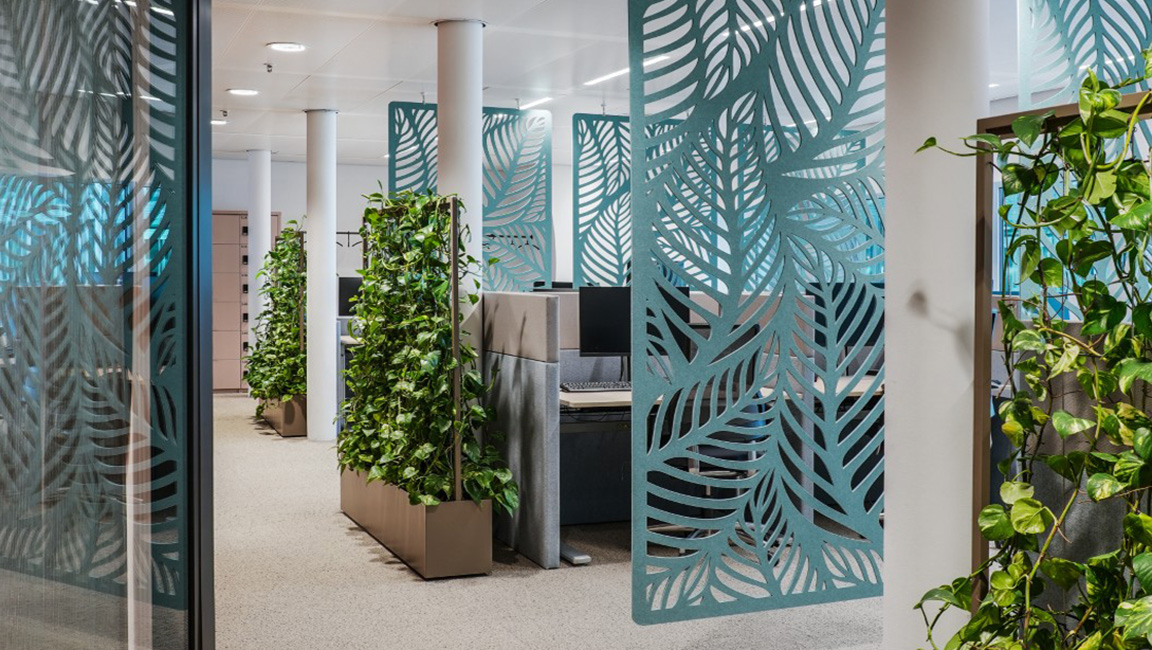
From Central Asia to nomadic traditions
Felt, made from wool, is one of the oldest known textiles. The origins of felt making are often surrounded by legends. Sumerian legend claims that Urnamman of Lagash discovered the secret of felt making. A story about Saint Clement and Saint Christopher tells how they filled their sandals with wool to prevent blisters during persecution, then the movement and sweat turned the wool into felt socks. The origin of felt is probably in Central Asia, with evidence of felt production in Siberia and northern Mongolia. Siberian tombs show the wide use of felt, from clothing to jewellery and horse blankets.
From Siberia and Mongolia, felt making spread across areas inhabited by Turkic-Mongolian tribes, where sheep and camel herds were crucial to their prosperity and lifestyle. Nomads used felt for housing, insulation, flooring and household utensils. Dyes provided rich colours, and pre-felts, combined with dyed yarns, were used for decorative designs. Felt was even used for totems and amulets with protective functions, often imbued with religious and symbolic meaning.

A timeless craft
Today, felt is still made by nomadic peoples in Central Asia, such as the Mongols and Turkish people, to make carpets, tents and clothes. In the western world, felt is widely used in textile art and contemporary art and design, where it is valued as an ecologically sound textile and construction material. Besides Central Asian traditions, Scandinavia has also contributed to felt production, especially for clothing.
Frequently asked questions
What exactly is felt and how is it made?
Felt is a textile produced by matting, condensing and compressing fibres. It can be made from natural fibres such as wool, or from synthetic fibres such as those used in PET Felt. Felt is one of the oldest known types of textile.
What specific properties of felt make it suitable as an acoustic solution?
Felt absorbs sound and dampens vibrations, which helps to reduce reverberation and echo in a room. Softer, more porous materials such as felt have a higher acoustic value, which indicates how well they absorb sound.
How does PET Felt, as a type of felt, contribute to sustainability?
PET Felt is a sustainable acoustic material that consists of at least 60% recycled fibres from plastic bottles. It is also fully recyclable at the end of its life cycle, contributing to a circular approach.
Why is improving acoustics with materials such as felt so important?
A good sound environment increases productivity, improves speech intelligibility and promotes tranquillity. Acoustic solutions such as those from In-Zee ensure clear sound quality and a comfortable working environment.